Why Salon POS Software Must Connect Appointments, Inventory and Loyalty?

Why Salon POS Software Must Connect Appointments, Inventory and Loyalty?
By Charu Gupta Published: July 28th, 2026
Running a successful salon requires much more than delivering great haircuts, beauty treatments or spa services. Behind every appointment is a network of business activities—staff scheduling, product usage, customer preferences, billing, inventory tracking, follow-ups and loyalty rewards.
When these activities are managed through separate systems, even simple tasks can become complicated. Appointment details may not reach the billing counter, products used during a service may not be deducted from inventory, and loyal customers may miss out on the rewards they have earned.
This is why modern POS software must connect appointments, inventory and loyalty within one unified system. By bringing these essential functions together, salons can simplify daily operations, improve customer experiences and make better business decisions.
The Problem With Disconnected Salon Operations
Many salons use one application for appointments, another tool for billing and spreadsheets for stock management. Customer loyalty details may be maintained manually or recorded in a completely separate platform.
While each tool may perform its individual function, the lack of connectivity creates several operational challenges:
- Appointments may be missed or double-booked.
- Staff members may not know which services are scheduled.
- Products used during treatments may not be recorded correctly.
- Inventory shortages may only be noticed when a product is urgently required.
- Customer purchase and service histories may remain incomplete.
- Loyalty points may not be updated immediately.
- Managers may struggle to access accurate business reports.
A connected system removes these information gaps and creates a smoother flow from appointment booking to service delivery, payment and customer retention.
1. Connected Appointments Improve the Customer Journey
For most salon customers, the experience begins before they enter the outlet. They may call the salon, send a message, book online or schedule their next visit at the reception desk.
An integrated appointment management system allows the salon team to view all bookings from one place. Employees can check available time slots, assign the right staff member and prepare for upcoming services.
When appointments are connected with a POS software, customer and service details can automatically move to the billing screen. The receptionist does not need to enter the same information again, reducing billing time and the possibility of errors.
Benefits of connected appointment management
Reduced double-booking
The system displays staff availability in real time, helping salons avoid assigning two customers to the same professional at the same time.
Better staff allocation
Managers can assign appointments based on employee availability, expertise and workload.
Faster customer check-ins
The team can quickly access the customer’s appointment, preferred services and previous visit details.
Automated reminders
Appointment reminders can help reduce no-shows and last-minute cancellations.
Improved planning
Salon managers can identify busy hours, popular services and appointment trends to plan staffing more effectively.
For customers, this creates a more organised and personalised experience. For the salon team, it reduces confusion at the reception desk.
2. Appointment Data Should Connect With Inventory
Every salon service depends on products and consumables. Hair colouring requires dyes, developers and gloves. Facials may use cleansers, masks and serums. Manicures require nail paints, removers and disposable materials.
When appointment and service data are connected with inventory, the salon can estimate product requirements more accurately.
For example, when a customer books a hair-colouring service, the system can help the salon team check whether the required shade and related products are available. This reduces situations where a customer arrives for an appointment only to discover that an important product is out of stock.
A connected system can also track product consumption based on services performed. When a service is completed, the relevant quantity of products or raw materials can be deducted from inventory.
Why service-based inventory tracking matters
Traditional retail inventory only records products that are directly sold. Salons, however, also consume products while delivering services.
Without service-based inventory tracking, salon owners may know how many shampoo bottles were purchased but not how much product was used during treatments. This can create differences between physical stock and recorded stock.
An integrated salon management platform provides better visibility into:
- Products sold to customers
- Products consumed during services
- Current stock levels
- Low-stock items
- Fast-moving products
- Slow-moving or expired inventory
- Purchase requirements
- Stock movement between outlets
This visibility helps salon owners reduce wastage, prevent stockouts and control operational costs.
3. Billing and Inventory Must Work Together
The billing counter is one of the most important points in the salon customer journey. It is where completed services, purchased products, discounts, memberships and loyalty benefits come together.
A connected billing system can automatically add the services included in the customer’s appointment. The receptionist can then include additional services or retail products purchased during the visit.
When the bill is completed, inventory should be updated automatically. Products sold at the counter should be deducted from stock, while products consumed during services should be recorded separately.
This real-time connection provides managers with a more accurate understanding of product movement and revenue.
It also prevents employees from maintaining separate billing and stock records, saving time and reducing manual mistakes.
4. Loyalty Should Be Based on the Complete Customer Journey
Salon customers are highly relationship-driven. They often return because they trust a particular stylist, prefer a certain service or appreciate the personalised attention they receive.
A well-designed loyalty programme can strengthen these relationships. However, it becomes more effective when loyalty data is connected with appointments and billing.
With a salon POS software, salons can automatically award loyalty points whenever a customer completes a service or purchases a product. Customers can also redeem their available points during future visits without requiring the receptionist to check separate records.
Connected loyalty enables salons to:
- Reward customers based on spending or visit frequency
- Offer exclusive benefits for specific services
- Create membership-based discounts
- Track loyalty points in real time
- Send personalised offers
- Encourage repeat appointments
- Identify high-value customers
- Re-engage customers who have not visited recently
For example, a customer who regularly books hair treatments could receive a relevant offer on a premium hair-care package. A customer who purchases skincare products could be informed about a facial service that complements those products.
This kind of personalisation is only possible when customer appointments, purchases and service histories are available in one system.
5. Connected Data Helps Salons Personalise Every Visit
Customers appreciate it when a salon remembers their preferences. Knowing a customer’s preferred stylist, hair colour shade, frequently booked service or previous product purchase can make the experience feel more personal.
An integrated customer profile can include:
- Contact information
- Appointment history
- Preferred staff member
- Previous services
- Product purchases
- Membership details
- Loyalty points
- Feedback
- Notes about preferences
When a customer returns, the salon team can quickly access this information and provide a more consistent experience.
Instead of asking the same questions during every visit, employees can understand the customer’s history and make more relevant recommendations.
6. Integration Creates Better Business Reports
When appointments, billing, inventory and loyalty operate independently, reports only show part of the business picture.
An appointment tool may show the number of bookings, while the billing system shows revenue. Inventory records may show stock movement, but managers may not know which services caused the highest product consumption.
Connected POS software combines this information and provides reports that are more meaningful.
Salon owners can analyse:
- Total appointments
- Completed and cancelled bookings
- Revenue by service
- Revenue by staff member
- Product sales
- Product consumption
- Inventory value
- Customer retention
- Loyalty redemptions
- Membership sales
- Peak business hours
- Performance across multiple outlets
These reports help owners understand what is working, identify operational problems and make informed decisions.
For instance, a service may generate strong revenue but consume expensive products. Another service may have a lower price but deliver a higher profit margin. Connected reporting makes these differences easier to identify.
7. Multi-Outlet Salons Need Centralised Control
Managing one salon can be complex. Managing multiple branches without connected systems can be even more difficult.
A centralised platform allows salon owners to view appointments, billing, inventory and customer information across all locations.
Customers may also benefit from a connected experience. They can visit another branch, access their membership benefits and redeem loyalty points without creating a new customer profile.
Centralised management can help salon businesses:
- Monitor outlet-wise sales
- Compare branch performance
- Manage common customer profiles
- Track inventory across locations
- Transfer stock between outlets
- Standardise pricing and services
- Maintain consistent loyalty programmes
- Access consolidated business reports
This gives growing salon chains the control required to expand without losing operational visibility.
8. Connected Systems Reduce Work for Salon Staff
Salon employees should be able to focus on customers rather than repetitive administrative work.
When systems are disconnected, staff members may need to enter appointment information again during billing, manually update loyalty points and separately adjust inventory records.
Integration automates many of these activities. Information entered once becomes available wherever it is required.
This improves employee productivity and reduces the chances of human error. It also makes training easier because employees do not have to learn several unrelated platforms.
A simpler workflow can lead to faster billing, smoother shift changes and better coordination between the reception desk, service professionals and management team.
What Should Salons Look for in an Integrated System?
When choosing a salon management platform, businesses should look beyond basic billing capabilities. The system should support the complete salon journey.
Important features include:
- Appointment scheduling
- Staff calendars
- Customer management
- Service and product billing
- Inventory tracking
- Service-based product consumption
- Membership management
- Loyalty programmes
- Automated reminders
- Digital payments
- Multi-outlet management
- Real-time reports
- Customer feedback
- Role-based employee access
The system should also be easy for receptionists, stylists, therapists and managers to use during busy working hours.
The Future of Salon Management Is Connected
Customers do not experience appointments, services, billing and loyalty as separate activities. For them, everything is part of one salon visit.
Salon technology should work in the same way.
When appointments connect with staff availability, inventory connects with services, billing connects with loyalty and customer data connects with every interaction, the entire business becomes easier to manage.
The right POS software can help salons reduce manual work, control inventory, improve customer retention and gain complete visibility into business performance. More importantly, it allows salon teams to spend less time managing disconnected systems and more time delivering memorable customer experiences.
Frequently Asked Questions
Why should salon appointments connect with billing?
Connecting appointments with billing allows booked services and customer information to appear automatically during checkout. This reduces data entry, speeds up billing and minimises errors.
How does inventory integration help salons?
Inventory integration tracks both products sold and products consumed during salon services. It helps salons maintain accurate stock levels, reduce wastage and prevent essential products from running out.
Why is loyalty important for salons?
Salon businesses depend heavily on repeat customers. Loyalty programmes encourage customers to return by offering points, discounts, memberships and personalised benefits.
Can an integrated system manage multiple salon branches?
Yes. A centralised salon management system can provide outlet-wise sales, shared customer profiles, common loyalty benefits, inventory visibility and consolidated reports across multiple locations.
How does QueueBuster help salons?
QueueBuster provides an all-in-one business management platform that helps salons handle appointments, billing, inventory, customer information, loyalty programmes, payments and reports from a connected system.
Popular Posts
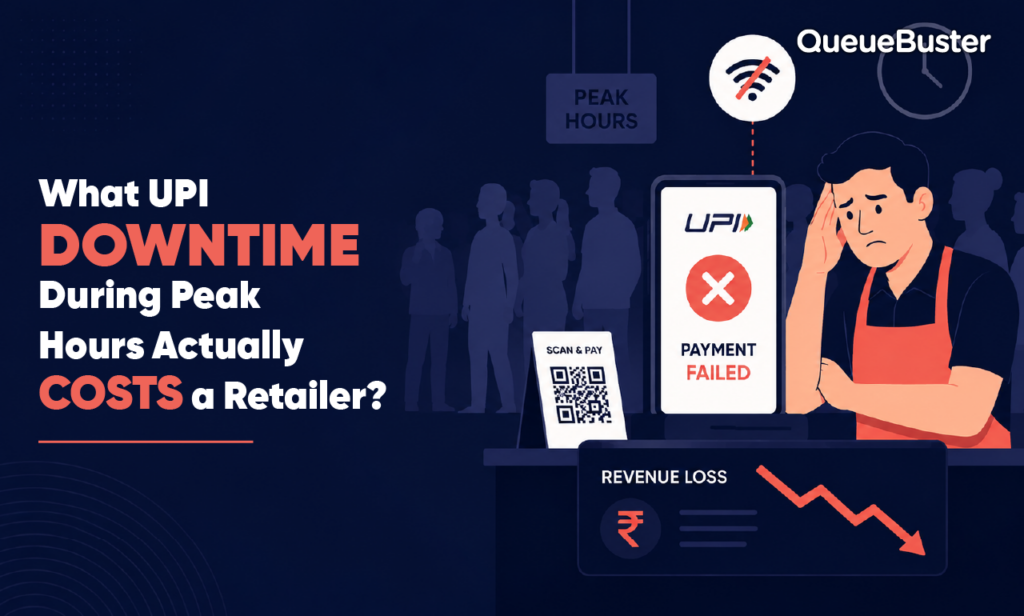
What UPI Downtime During Peak Hours Actually Costs a Retailer?
UPI has become the default payment method for a large share of […]
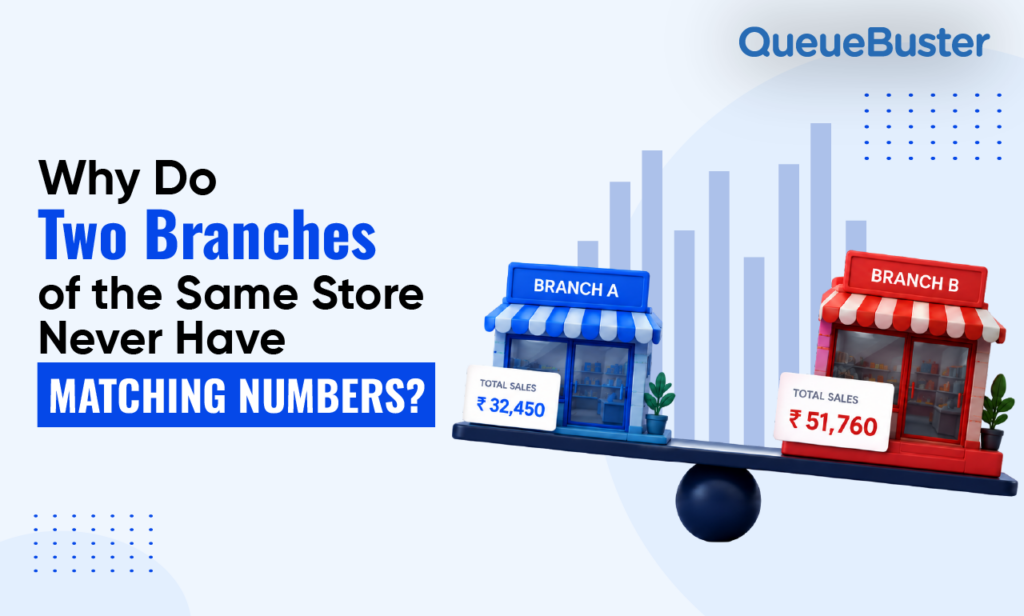
Why Do Two Branches of the Same Store Never Have Matching Numbers?
Ask a franchise or multi-branch retail owner if their outlets follow the […]